

In recent years, giving days have become one of the most effective engagement engines in fundraising. The numbers speak for themselves: Giving Tuesday 2025 generated an estimated $4 billion in the U.S. in just 24 hours, a 13% increase over last year. The success goes beyond dollars raised, the real impact is a community multiplier effect that reaches far past the day’s totals.
Institutions see major lifts in first-time donors, lapsed-donor returns, and digital engagement during giving days, the very acquisition outcomes that direct response fundraisers treat as strategic investments. At a time when attention is fleeting and loyalty is earned, giving days offer serious acquisition power, and their long-term impact is only beginning to be recognized.
Beyond the Dollars: Giving Days as Community-Building Moments
A giving day is a shared pause in the life of an institution, a moment when the entire community unites to honor what they love most and to demonstrate that connection through collective generosity.
These events facilitate forms of community interaction that are less common in traditional appeals. Real-time leaderboards, challenges, and ambassador activity generate social energy that encourages participation even from those who may not have donated in years, and social visibility amplifies institutional pride, student stories, and program highlights in ways that strengthen the broader perception of the community.
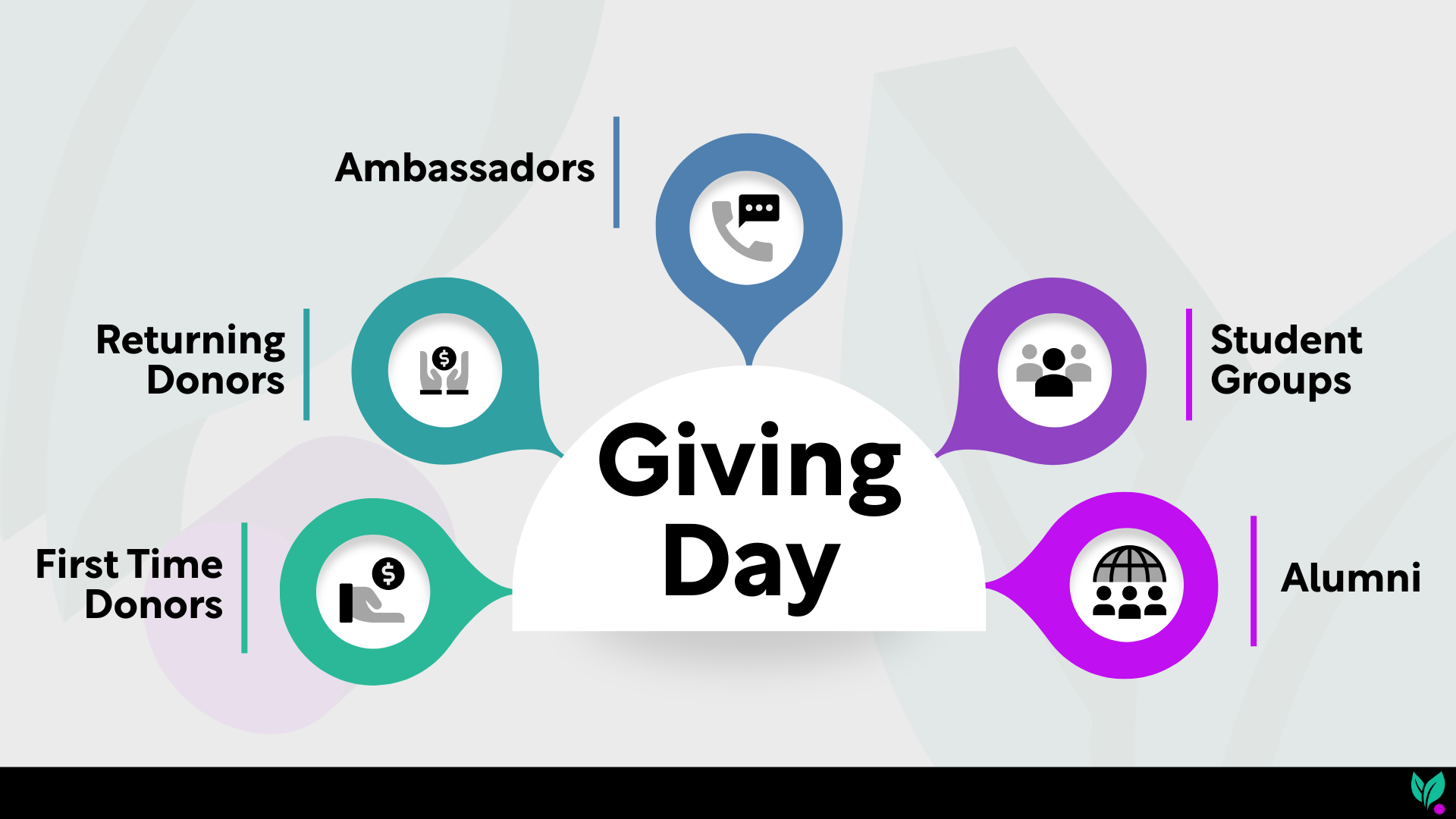
The real impact of a giving day isn’t just financial but cultural. It's the momentum, visibility, and sense of collective identity that continue to benefit the institution long after the 24 hours have passed.
The Shift in How People Connect Online
What makes these campaigns so effective today is not just their urgency or scale, but how naturally they fit into the way people now connect online. Digital communities are increasingly organized around shared interests rather than existing personal relationships. That’s a dramatic departure from the early Facebook era, when networks were primarily defined by “people you already know.” Platform behavior shows a significant shift from network-based community formation (built around people you already know) to interest-based communities.
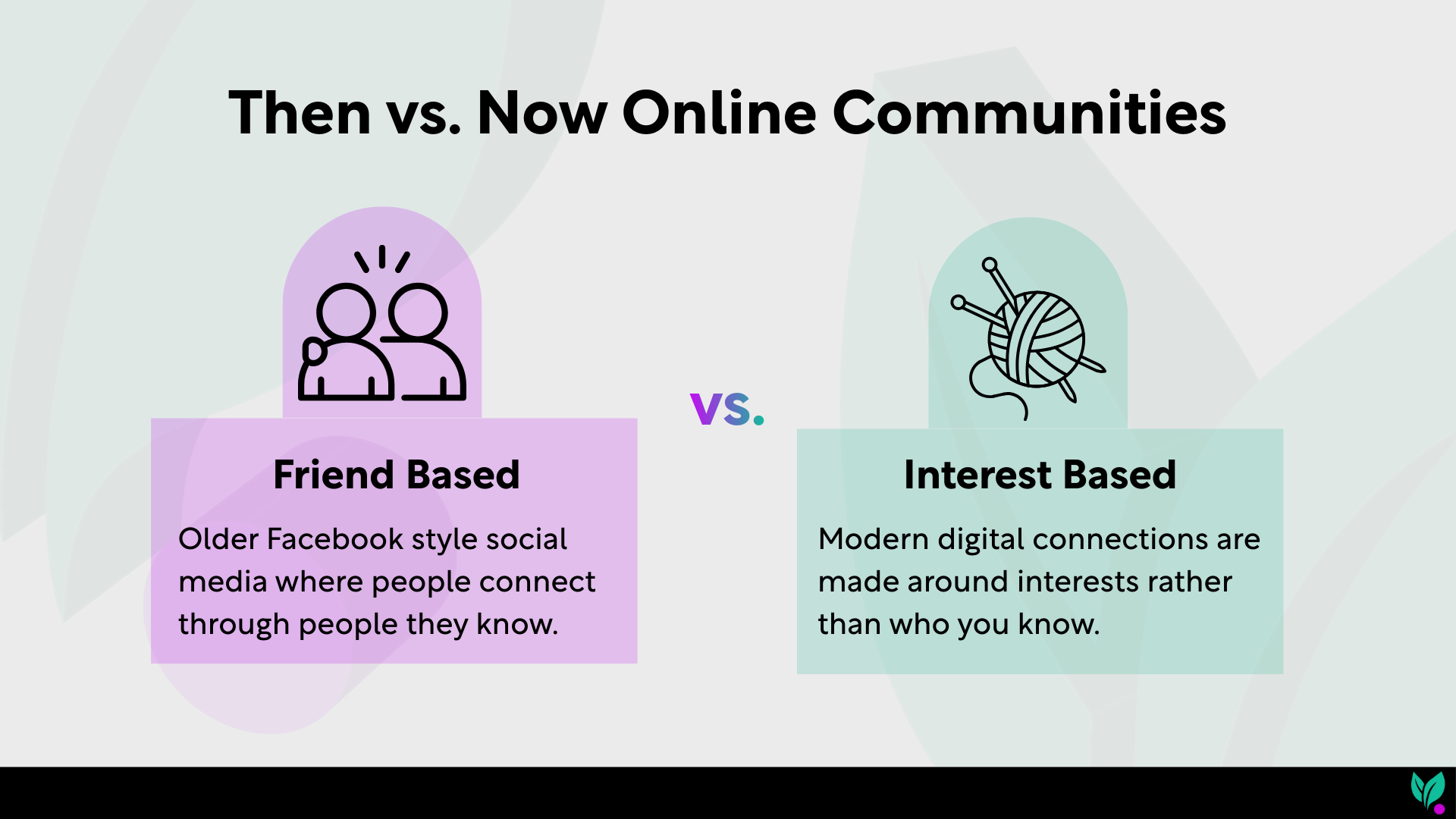
For advancement teams, this shift may have important implications. Supporters may be increasingly inclined to engage around a program, or shared identity rather than solely by graduating class year. In this context, giving days can serve as an opportunity to move from traditional broadcasting toward facilitating communities organized around shared interests.
Leveraging the Power of Your Network
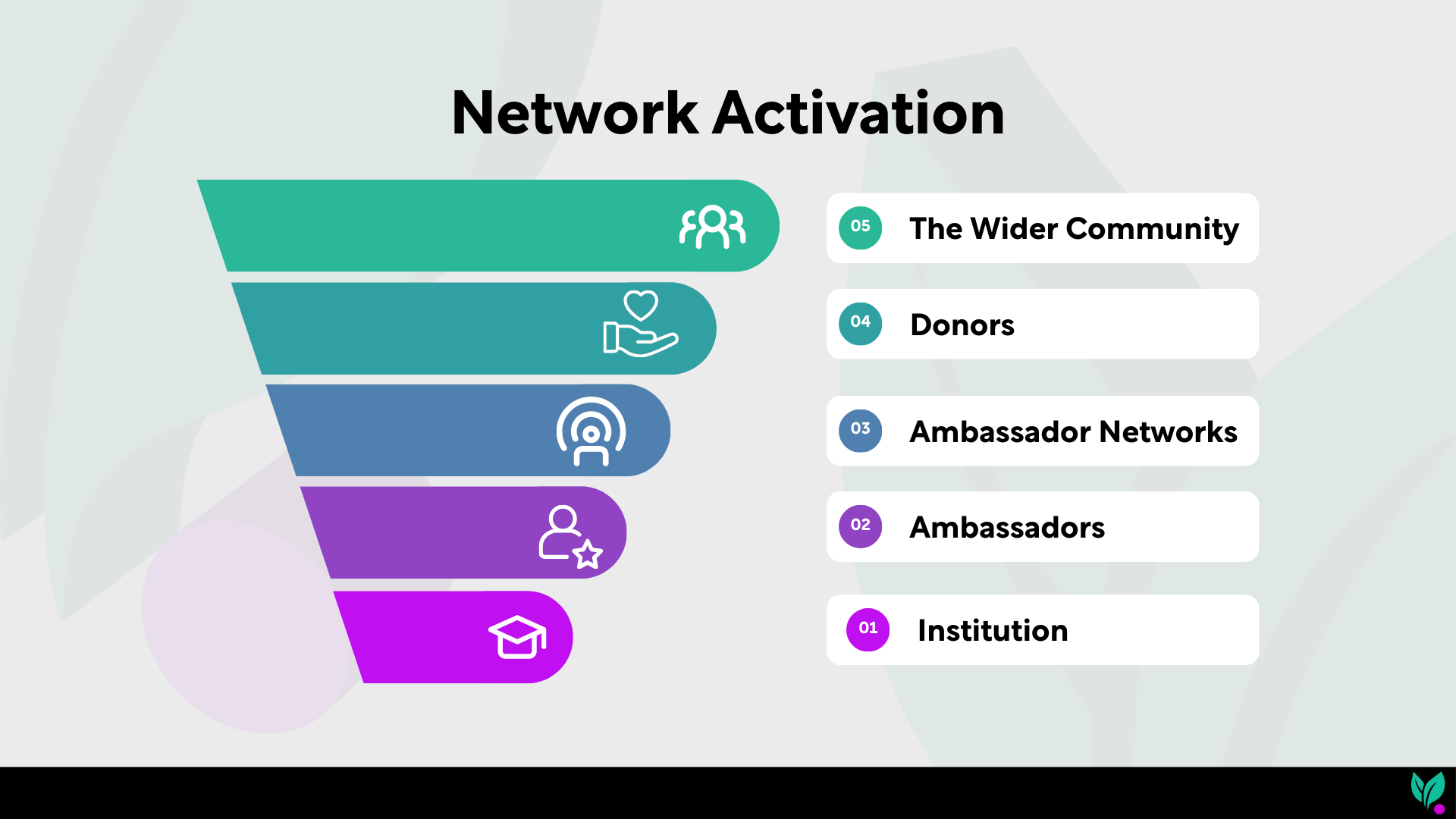
While interest-based communities are increasingly prominent in digital environments, existing social networks remain influential when appropriately leveraged. Peer-to-peer outreach has been shown to produce higher engagement, with donors demonstrating greater responsiveness to appeals delivered by individuals they know or identify with.
The key is making participation easy. Provide ambassadors with ready-made content, clear calls to action, and real-time updates they can share. Highlight matches, challenges, and stories that spark emotion and pride. When your network feels empowered and recognized, they become your most effective storytellers.
Building a Value-Driven Advancement Community
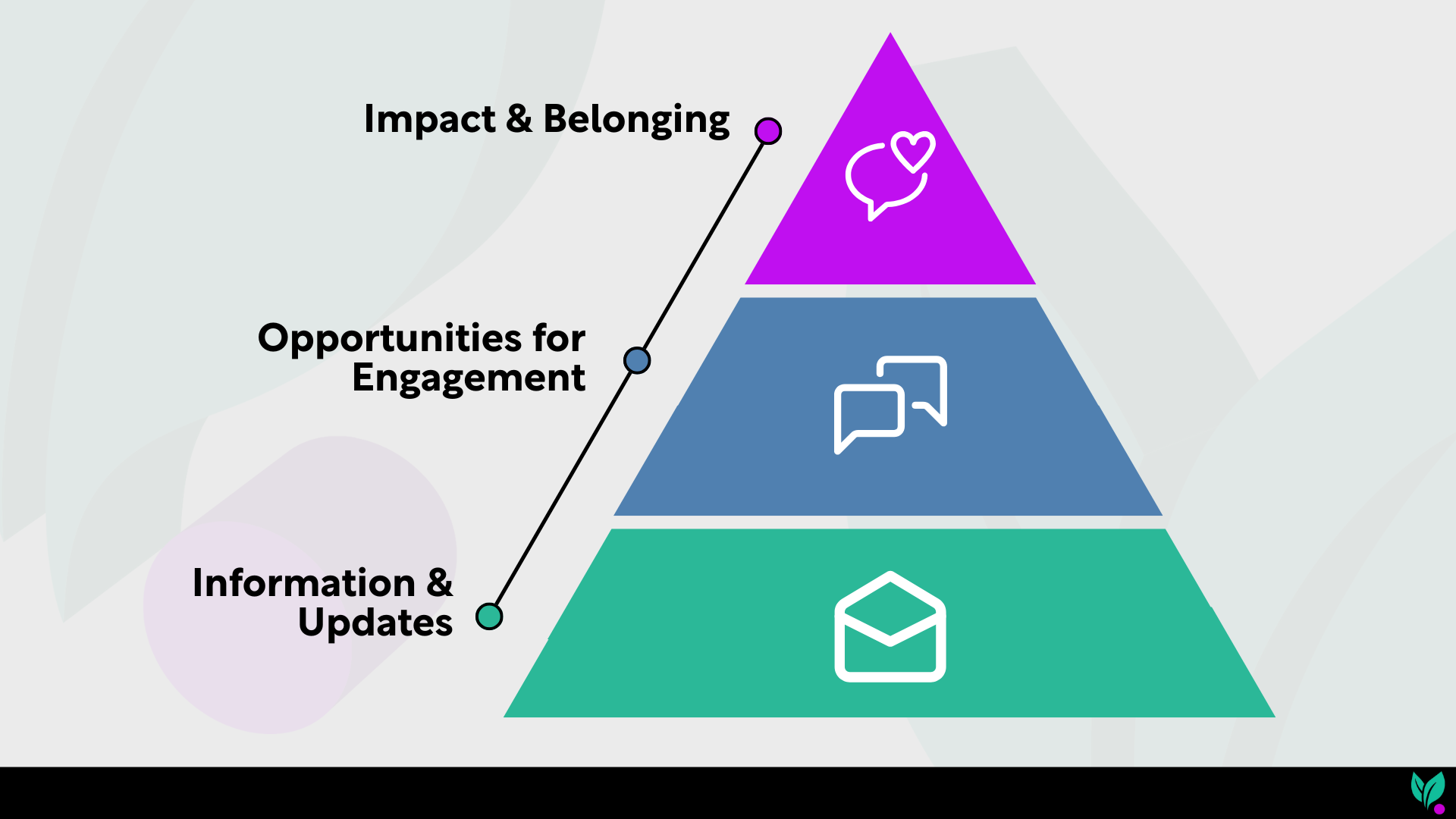
In today’s digital environment, supporters engage because they receive value from being part of a community. Giving days are powerful entry points for this: they spotlight student impact, elevate faculty work, and surface stories that remind supporters why their connection to the institution matters.
Building a value-driven community requires ongoing relevance beyond annual donations.When institutions consistently provide meaningful updates, opportunities for engagement, and transparent demonstrations of impact, they deepen trust. And trust translates into long-term loyalty. Giving days simply magnify this dynamic by bringing value, purpose, and connection together in a moment that feels participatory and shared.
By activating these natural connectors, institutions turn a 24-hour campaign into a widespread movement that strengthens visibility, engagement, and long-term community commitment.
From Giving Day to Year-Round Engagement Engine
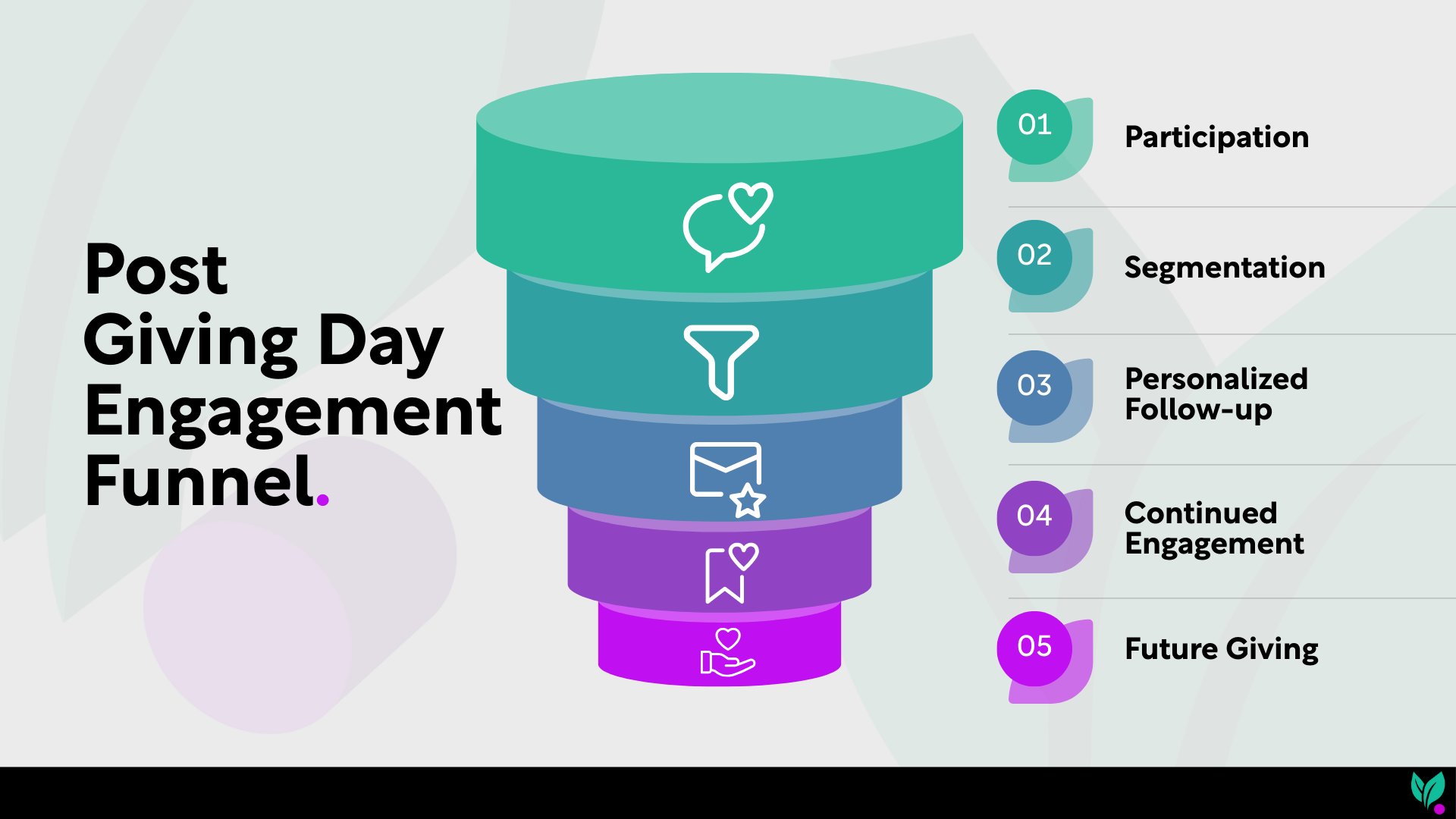
A Giving day doesn’t end when the clock runs out. It should mark the beginning of deeper, more targeted engagement.
The surge in activity provides valuable insight into who your supporters are, what motivates them, and how they prefer to connect. Now is the time to segment follow-up messages based on behavior and continue the momentum with personalized touchpoints.
Sharing post-event impact, highlighting stories surfaced during the day, and offering ongoing opportunities for involvement keeps the community active long after those 24-hours. When institutions treat giving days as catalysts rather than stand-alone campaigns, they transform short-term enthusiasm into sustained connection and long-term loyalty.
Evolving Engagement Models in Advancement
Higher education advancement appears to be undergoing a meaningful shift. While traditional approaches such as broad appeals, class-year affinity, and institution-wide messaging continue to play a role, supporters increasingly choose to engage around shared values, interests, and communities. Giving days illustrate this trend particularly well, creating a moment in which storytelling, community energy, and digital participation converge.
Institutions that use these opportunities to strengthen connections, activate their networks, and deliver sustained value may be better positioned to build long-term engagement and loyalty. A community-first orientation is emerging as an important component of effective advancement strategy in the years ahead.
Bio: Kristopher has over 18 years of marketing experience in both Canada and the USA and 8 years experience in fundraising for Canadian charities. With an emphasis on multi-channel direct marketing, Kristopher has managed over $7 million dollars in annual donations integrating direct mail, digital including predictive modelling, face-to-face and telemarketing strategies to drive growth and lifelong donor journeys.
“The concept of digital fundraising today must include predictive modelling/machine learning. Including machine learning in the mix ensures that you’re driving down your cost of funds raised while ensuring that no donor feels overlooked because you’re providing meaningful, personalized stewardship touch points at the right time in their donor journey.”
-Kristopher Gallub, Fundmetric Fundraising Liaison
.png)